

Banks and financial services providers face a twofold challenge: on the one hand, they need to deliver better customer experiences and more productive processes; on the other, demands for transparency, operational resilience and digital sovereignty are increasing.
IT landscapes that have evolved over many years can limit the pace of a digital strategy. It is therefore crucial to ensure the targeted and continuous development of existing systems, taking into account business objectives, technological opportunities and regulatory requirements. In doing so, we utilise modern technologies whilst ensuring compliance with security and regulatory requirements.
We support banks and financial services providers in the structured development and targeted implementation of their digital strategy. Together, we align IT modernisation, the use of AI and structured data management in such a way that innovation, security and compliance go hand in hand.

BANKING & FINANCE
- Industries
- Banking & Finance
Future Banking: Between Regulation and Technological Innovation
Harnessing Open Finance as an opportunity for growth and efficiency
Through the FiDA, PSD3 and PSR regulations, the EU is aiming to create an open, secure and standardised financial market. Whilst new competitors are already establishing agile, data-driven offerings, traditional banks must act now to secure their revenues and customer access in the long term.
Open finance offers enormous potential in this regard: expanded access to data enables tailor-made products, right through to hyper-personalisation. At the same time, a 360-degree view of a customer’s financial situation reduces costs by accelerating automated and precise decision-making – for example, in risk assessment. This also brings with it greater responsibility: banks must not only share data, but also process external sources carefully and in the best interests of their customers.
Overcoming challenges in the financial sector and making the most of opportunities
Whether it is new requirements in payment transactions brought about by PSD3/PSR, rising expectations regarding data transparency driven by FiDA, or security requirements under DORA: the financial sector is undergoing a digital transformation. How can innovation, security and scalability be reconciled? We help you tackle precisely these challenges effectively. We do so by focusing on business objectives, drawing on our in-depth understanding of the sector – for example, in retail banking – and adopting a clearly focused approach.
Making responsible use of the opportunities offered by Generative Artificial Intelligence (GenAI)
By intelligently integrating GenAI into business processes and the IT landscape, information can be analysed more quickly, decisions can be made on a more informed basis, and interactions with customers can be tailored more effectively.
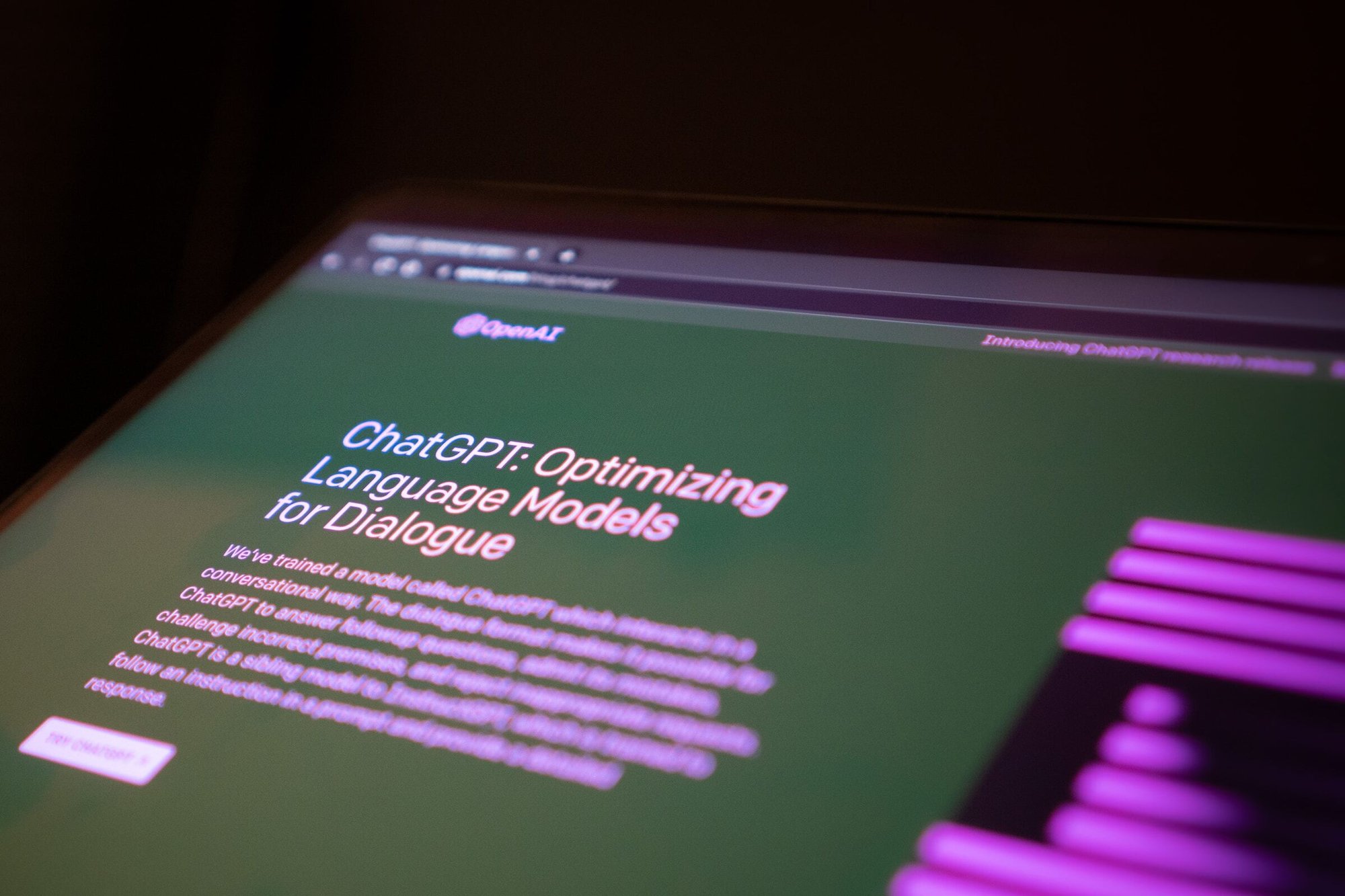
From concept to reality: Generative Artificial Intelligence (GenAI)
GenAI is fundamentally transforming the way the banking sector operates: from customer engagement and internal knowledge management to the automation of internal processes. GenAI enables more personalised communication, more efficient processes and new digital services. We support banks in identifying meaningful use cases and implementing them whilst taking regulatory requirements – such as the AI Act – into account.
AI agent platform for carrying out complex financial analyses
Rising data volumes, a shortage of skilled staff and regulatory pressure are challenges facing banks. AI agents take on repetitive tasks, support decision-making in real time and, through increased automation, ease the workload on specialist departments. We develop AI agents for the financial sector, for example for key performance indicator analysis, knowledge management or as digital assistants.
hyperSPRINT
Banks often face complex challenges when undertaking digitalisation projects. hyperSPRINT offers a method for developing innovative solutions within five days. Collaboration, AI and user feedback lead to well-informed decisions.
Using, managing and ensuring regulatory compliance with data
The volume of data generated in the banking sector is growing rapidly. This opens up enormous potential for data-driven decision-making and AI-supported innovations, such as automated reporting.
A lack of accountability, complex platform structures and inadequate (data) governance processes mean that opportunities remain untapped. Regulatory requirements are becoming an ongoing operational task. At the same time, automated, AI-based decisions must be explainable, reports must be traceable, and data usage must be auditable.

Data Engineering and Platform Development
Whether it’s master data, transaction data, transaction history, risk data, financial and economic data, or operational and process data, a robust data platform forms the basis for data-driven decisions. We use data engineering methods to capture, process and analyse data.
Data Innovation and Analytics
Data-driven decisions are a key success factor in the banking sector, enabling risk assessments, regulatory reporting, fraud monitoring, financial control and customer service, amongst other things, to be carried out measurably faster, more efficiently and to a higher standard. We combine exploratory analysis methods and data science approaches to extract business-relevant insights from your data, visualise them and use them as a basis for decision-making.
AI and Machine Learning Operations
We help banks to integrate AI models reliably and securely into the day-to-day operations of the often highly heterogeneous banking IT environment, from prototyping through to production deployment, with infrastructure, automated processes and control over performance and risks.
Modernising legacy systems – with AI, structure and without disrupting operations
Many banks are stuck when it comes to IT modernisation. The technological infrastructure has evolved over many years and is characterised by numerous dependencies and specific features. Integrating new requirements is only possible at great expense, as the systems are closely interlinked and the necessary expertise is lacking.
Replacing entire systems is risky, expensive and time-consuming. A better approach is step-by-step modernisation aligned with clear business objectives such as time-to-market, IT stability and robustness, or transaction costs. Our approach combines technical expertise with AI analytics and is suitable for ongoing operations.

Asset-based Modernisation
Modern IT strategies focus on the further development of existing systems. With our approach to asset-based modernisation, we guide financial institutions through four phases whilst ensuring business continuity.
System Health Check
The System Health Check provides an objective assessment of your IT landscape and compares it with your requirements. For banks with systems that have evolved over time, this is the crucial first step towards creating transparency and making modernisation a viable option.
System Review
Our System Review provides a comprehensive assessment of your IT system landscape. Our 360° approach covers architecture, code quality, processes, team structures and organisational frameworks, thereby enabling well-informed strategic decisions.
Cloud Transformation
The cloud is the foundation for scalability, efficiency and innovation. The path to achieving this is challenging. It ranges from the migration of existing systems to the development of cloud-native applications. Particularly with regard to digital sovereignty, there is considerable pressure to act when it comes to highly sensitive data.
Digital resilience: security as the foundation for innovation
In the face of rising cyber risks and strict regulatory requirements such as DORA, operational resilience is becoming a strategic cornerstone. Banks must demonstrate that their IT systems are stable, secure and manageable – across departments, service providers and interfaces.
The challenges do not arise solely from technology: manual processes, confusing user interfaces and unclear workflows can also increase risks. Security, usability and compliance must therefore be considered together from the outset.

Threat Modelling
We identify vulnerabilities in the financial sector at an early stage, assess security requirements and analyse threat scenarios to ensure robust IT architectures.
Application Penetration Testing
Our realistic tests identify risks in applications or interfaces and provide specific recommendations for securing them.
Shift Left Security:
We embed security early on in the development process – automatically, efficiently and in line with regulatory requirements.
DevOps
Stable operational processes and clear lines of responsibility: we bring together development, operations and regulatory compliance to ensure a secure software lifecycle.
About iteratec
Companies in the financial sector rely on iteratec when it comes to the secure and future-proof development of their IT environments. With in-depth industry knowledge and technological excellence, we develop bespoke solutions: from modernising business-critical legacy systems to implementing regulatory-compliant platform strategies. Whether it’s IT architecture, the cloud, security or AI: we deliver end-to-end results that make a real impact.
With over 1,000 successful projects and a customer satisfaction rate of 97 per cent, iteratec is a leader in digital product innovation, software development and infrastructure solutions. We are the partner that makes the difference.
Your contact

Do you have a specific concern or questions for your company? We would like to work with you to find out how we can overcome your challenges.
Sascha Flick, Director Market Opportunities