iteratec_sustainable_solutions_ragnsells_material

RAGN-SELLS | CHEMICAL RECYCLING DIGITAL PROCESS TWIN

Compressing decades of industrial development: How Ragn-Sells is using AI to close Europe's resource gap

Turning an environmental burden into an industrial blueprint

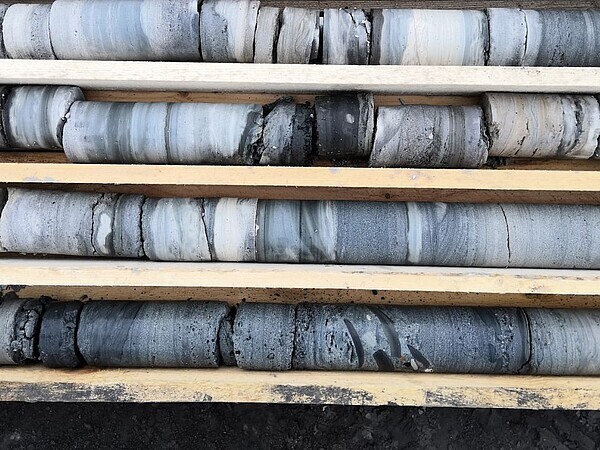
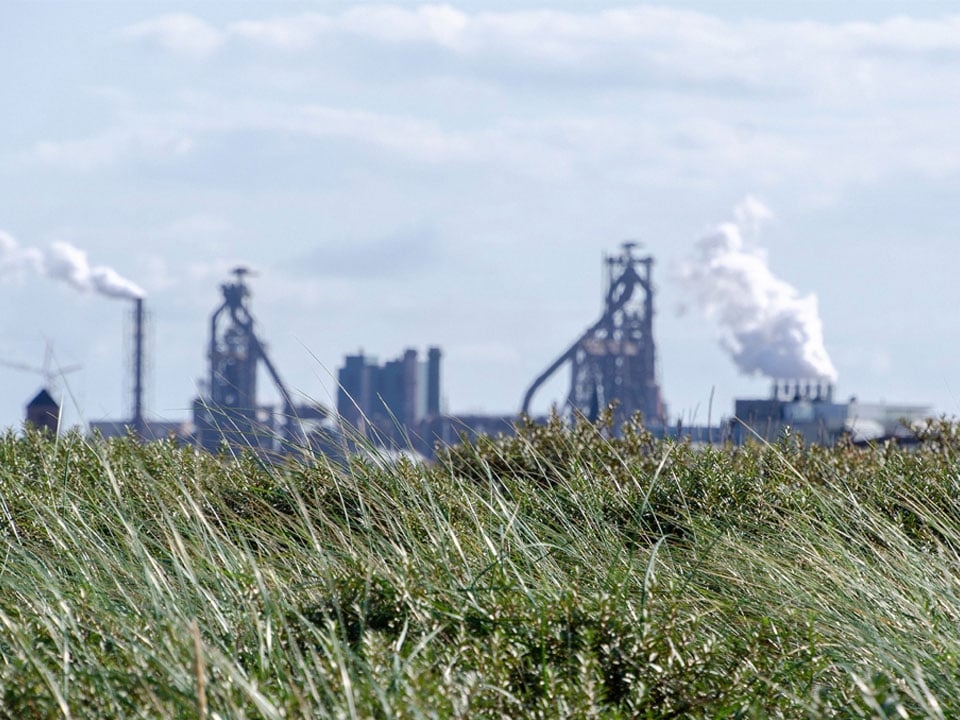
Nearly 600 million tonnes of oil shale ash (OSA) lie deposited across Estonia's Ida-Viru region – one of Europe's largest industrial waste challenges. Locked inside that ash are recoverable resources the continent currently imports at great cost and geopolitical risk.

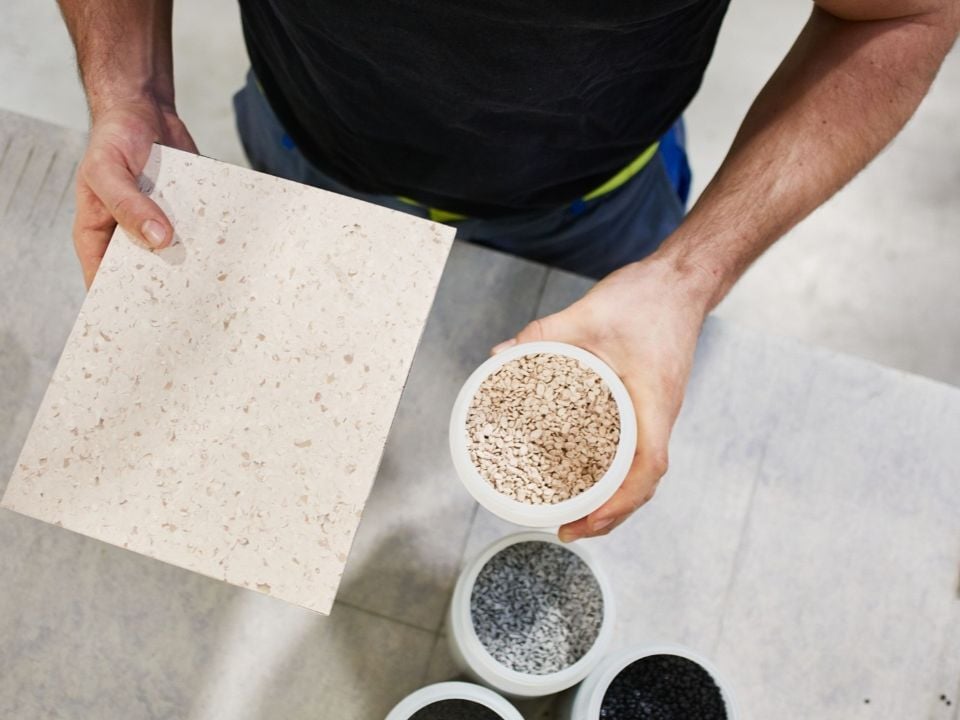
Ragn-Sells, an international environmental company with over 2,700 employees across five countries, chose to confront this problem head-on. Through its subsidiary OSA Service OÜ, the company developed a process designed to significantly reduce CO₂ emissions while extracting high-purity calcium carbonate from oil shale ash – a material used across the paint, plastics, and paper industries that mineralizes CO₂ within the product itself.

This is not about squeezing efficiency from a mature process. This is taking chemistry into unknown industrial territory.

Europe's resource gap demands a new pace of innovation.

AI has the potential to significantly compress industrial development timelines.

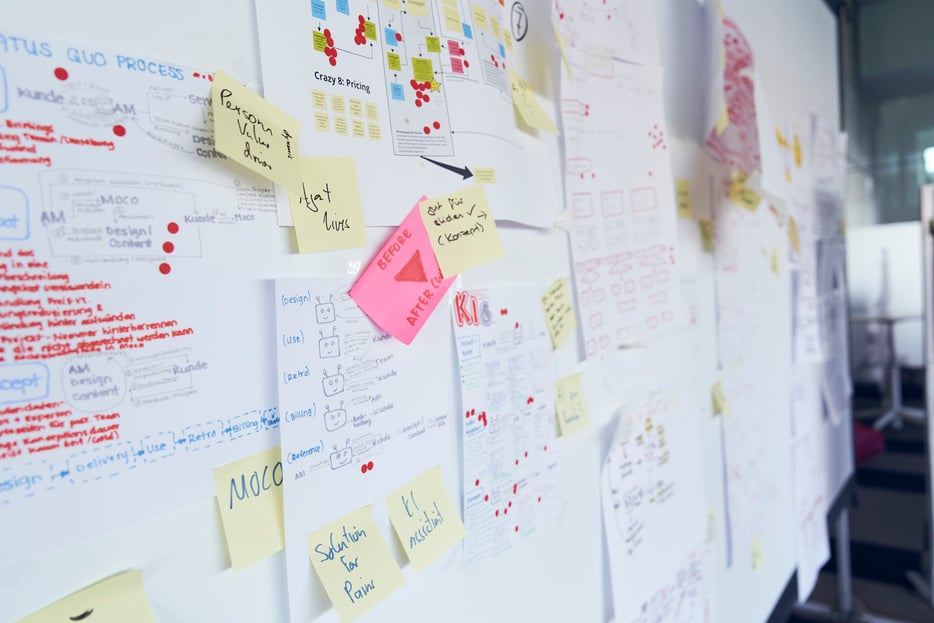
70 % people, 30 % technology – AI breaks R&D, engineering and business silos.

AI-enabled process learning as a growing strategic differentiator.

Europe's resource gap demands a new pace of innovation

Novel process development has always taken decades. Lithium-ion batteries needed roughly 30 years from first laboratory cells to industrial-scale production. Carbon fiber followed a similar arc. From first experiment to profitable manufacturing – the timeline has been measured in generations.

The world no longer has that kind of time. Regulation demands higher recycling rates now. Europe's dependence on imported critical raw materials is a strategic vulnerability today. And hundreds of millions of tonnes of industrial waste are accumulating while the processes to turn them into resources are still being invented.

Ragn-Sells chose AI to compress the path from experiment to industrial production. Together with iteratec, the company built a digital process twin – not to optimize a known process, but to accelerate the development of an entirely new one.


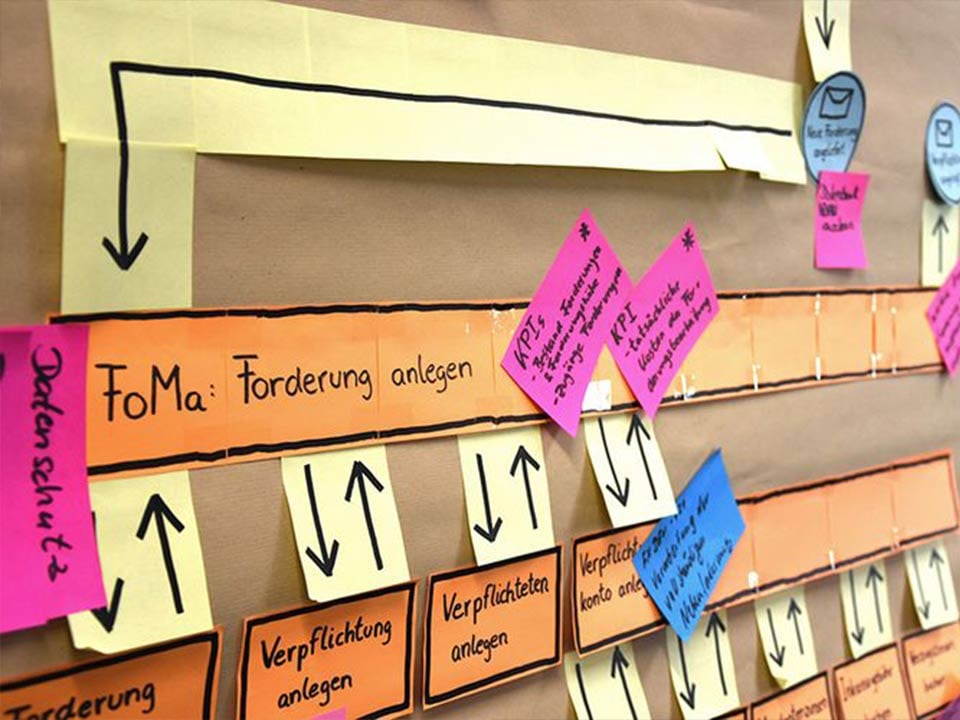
csm_iteratec_sustainablesolutions_ragnsells_960x720.jpg_0be5c72df0

What if decades could become months?

What if every experiment in the lab could immediately inform a process design and an early business case? What if you didn't have to wait for pilot scale to understand whether the economics work? What if cumulative knowledge from thousands of experiments could replace decades of sequential trial and error? This is the vision that drove the project from day one.

The digital process twin encodes the physical reality of the process – mass balances, energy limits, material constraints, cost structures – as hard boundaries. Within those boundaries, a machine learning component learns from laboratory and operational data, delivering optimized setpoints whenever feedstocks, targets, or conditions change.

Engineers can run simulations and validate recommendations on the real plant. The results feed back into the model. With each cycle, the system becomes sharper. A lab result no longer sits in isolation – it is connected to everything the organization has learned before.

Graham Aid from Ragn-Sells explains in the video how the process twin works in practice:


70 % people, 30 % technology

The platform works because it was built around engineering decisions, not around data requirements. 70 % of what made this project successful came down to people and organization – only 30 % to technology.

Most AI initiatives start with months of data collection before anyone sees results. Process AI takes the opposite approach: engineers who know the process can use it immediately. No prerequisite data infrastructure. No waiting. The tool meets the experts where they are, and learns alongside them.


Process AI has already changed how we approach scale-up decisions — combining what our process engineers know with what the data tells us, in a way that wasn't possible before. It hasn't replaced our engineers' judgement — it's amplified it. That's what makes me optimistic about where this can go.
Graham Aid Group Innovation Coordinator and Strategist, Ragn-Sells

What compounds is not data — it is capability

Every process the platform learns makes the next one faster. Every material stream, every plant configuration, every optimization cycle adds to a body of knowledge that no competitor developing sequentially can replicate.

What we’re developing today for calcium carbonate from oil shale ash is already being prepared for other material streams within the Ragn-Sells Group.

The vision is that a new process configuration — yield targets, cost projections, and quality parameters — could be substantially pre-validated through simulation before significant resources are committed to physical trials. What once required years of sequential development could potentially be stress-tested in a fraction of the time.

This is more than a software tool. It is a strategic decision-support platform for process development — and it is being built right now.


A pattern that transfers

The challenge Ragn-Sells faces is the defining challenge of asset-heavy industries at large: developing novel industrial processes – under time pressure that the history of engineering has never seen.

From battery technology to resource recovery, from novel food ingredients to advanced manufacturing – every operator pushing into new territory confronts the same reality. The processes don't exist yet. The boundary conditions are unfamiliar. The path from lab to market is long. And the economic climate is not willing to wait.

AI can compress this path by an order of magnitude. Ragn-Sells demonstrates that cumulative engineering knowledge is a scalable asset that is being built now. The courage to tackle the hardest problems in the European economy can be matched by the tools to solve them at the pace the world demands.


Are you facing similar challenges? Contact us.