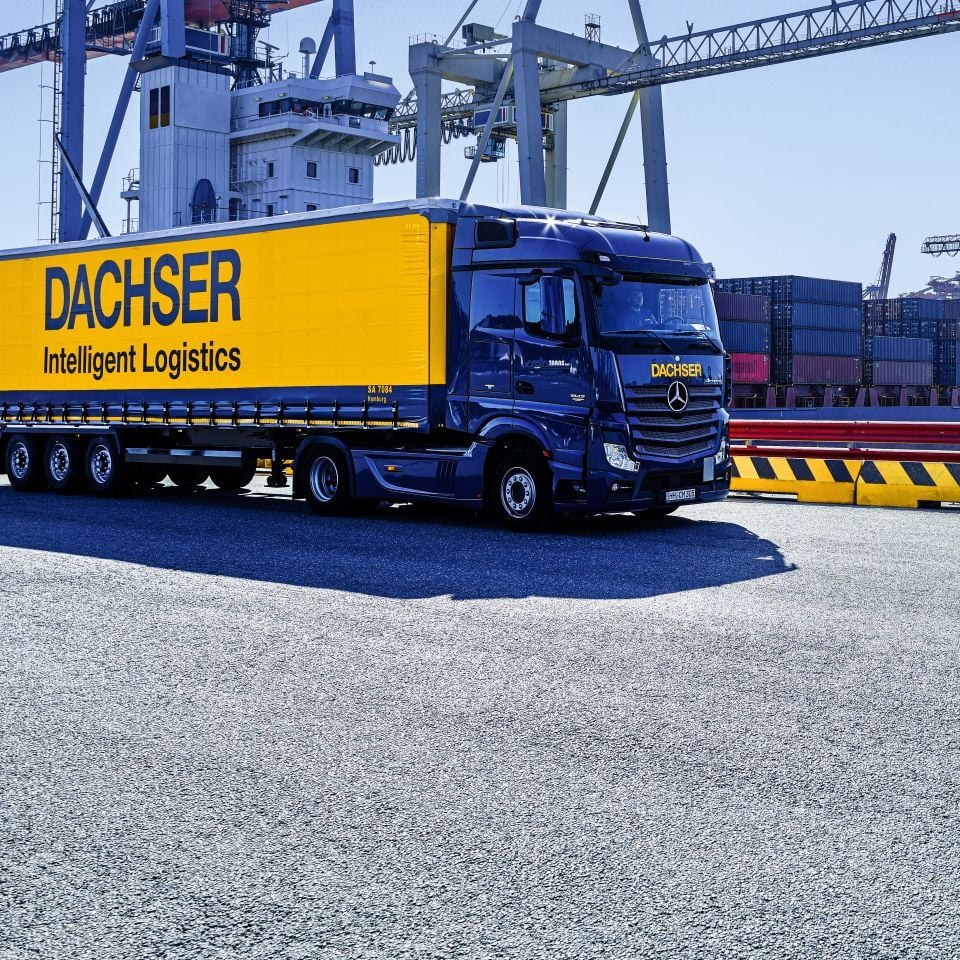
Dachser Air and Ocean Freight-01

DACHSER | FROM LEGACY TO PROCESS INTELLIGENCE

How DACHSER Is Modernizing Its TMS for Air and Ocean Freight with iteratec and Transforming Legacy IT into a Business Enabler

Key Points at a Glance

DACHSER is modernizing its OTHELLO Transport Management System (TMS) for air and ocean freight. The result is a modular, domain-specific architecture emerging from a legacy system that has evolved over time. The process is being carried out in phases, without interrupting operations, with direct business benefits at every step. This modernization lays the foundation for productive AI deployment.

A business that has to move faster than IT

DACHSER Air and Ocean Freight operates in a highly dynamic, global environment. Customers expect quick quotes, reliable information, and transparent shipment tracking. At the same time, day-to-day operations are complex, involving international shipments via varying routes and modes of transport, as well as customs, carriers, ports, and local requirements.

Over the years, this had given rise to an evolving IT landscape, supplemented by numerous tools, portals, interfaces, and Excel spreadsheets. The business logic behind it also evolved over time and was therefore often poorly defined. As a result, decisions were sometimes made between systems rather than within them. Consequently, the IT landscape no longer accurately reflected the actual business process logic.

Portfolio Intelligence as a Foundation

Many modernization projects start with grand visions and end up as years-long replacement programs. Users don’t feel the added value until much later. DACHSER therefore took a different approach, partnering with iteratec as its transformation partner—a firm that integrates business and IT and translates business requirements into a sustainable target architecture through architecture, UX, engineering, portfolio management, and delivery.

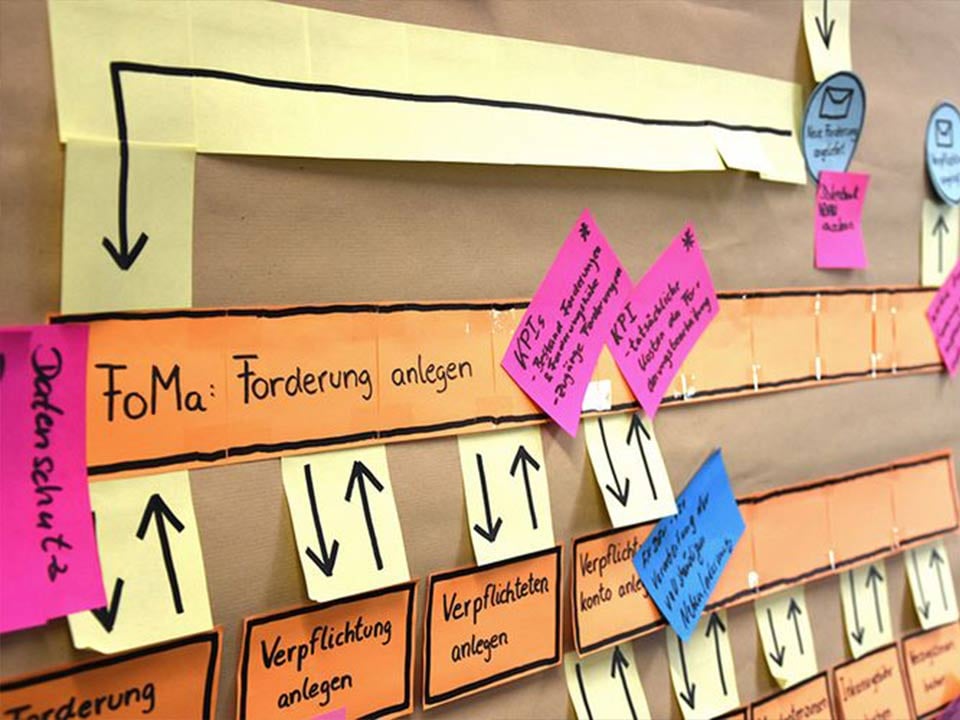
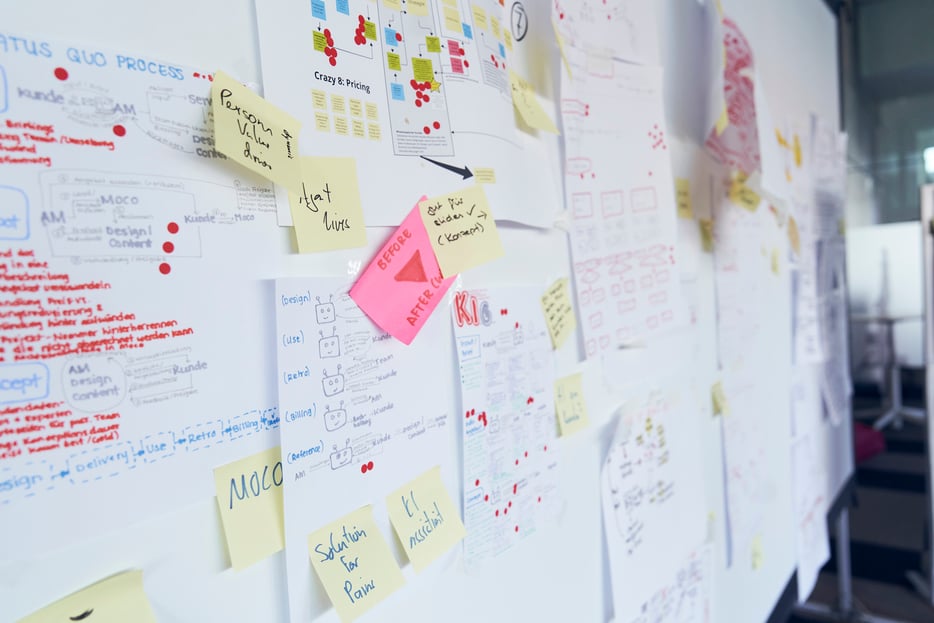
Thus, at the start of the project, in addition to a technical breakthrough, an IT master plan was first developed, from which a manageable transformation portfolio was created. After all, IT modernization requires a mechanism that links strategy and delivery: What contributes to business value? Which dependencies must be resolved first? Where is the foundation for AI being laid? These questions are continuously addressed within the transformation portfolio, turning a master plan into an operating system for transformation. Within the project itself, this approach becomes tangible through the use of 3-month project cycles—known as “Heartbeats”—each featuring clear prioritization, concrete business goals, and continuous course correction.

Architecture: Get it right the first time instead of having to fix it later

The new target architecture is based on self-contained systems: independent systems (Product Suite) with clearly defined business scopes along the value chain of the air and ocean freight business. The key difference: The systems are organized according to business logic, not along old technical structures.

Each self-contained system thus has a clear functional responsibility and includes the necessary user interface, logic, and data management. This results in well-defined responsibilities, clearer interfaces, and fewer dependencies. In addition, clearly defined business capabilities enable faster responses to new requirements.

Example: Quoting

The quoting process is the first deliberately chosen building block of this transformation.

Quoting is the moment where speed, quality, and customer experience converge. A request comes in; information must be understood, supplemented, evaluated, and translated into a quote. The faster and more accurately this happens, the higher the chance of closing the deal. At DACHSER Air and Ocean Freight, several thousand quotes are generated each month. Every minute counts.

Before: Manual

In the legacy process, many things began with an email. After that, employees had to manually analyze the information, enter it into various forms, distribute it across multiple dialog boxes, and understand the system’s implicit logic to do so.

Afterward: Automated

The new quoting process is a fundamentally redesigned process that is streamlined, clear, structured, and interoperable. Approximately 70 attributes were identified as not adding value to the modernized quoting process and were deliberately excluded. Master data was identified, cleaned, harmonized, and migrated to a new self-contained master data system. As a result, the quoting process was restructured to align with the actual user journey.
Initial results: The processing time per quote has been significantly reduced, while data quality has improved. The new system provides a centralized operational view that consolidates requests, quotes, routing, and master data and makes them searchable. New and legacy data are displayed in a single view.

Ensuring AI Capability in the Modernization Process

The quoting process serves as a good example to illustrate why modern systems that utilize AI are necessary. AI can only interpret a customer inquiry effectively if it is clearly defined which information is relevant and which data is needed for each step of the process. A quote can only be pre-structured if the quote, route, prices, and master data are not scattered across legacy dialog boxes, Excel files, and rule-of-thumb knowledge.

Modernizing the quoting process creates the process capability that AI relies on: analyzing emails, extracting information, and pre-filling quotes. This allows employees to focus on review and customer interactions.

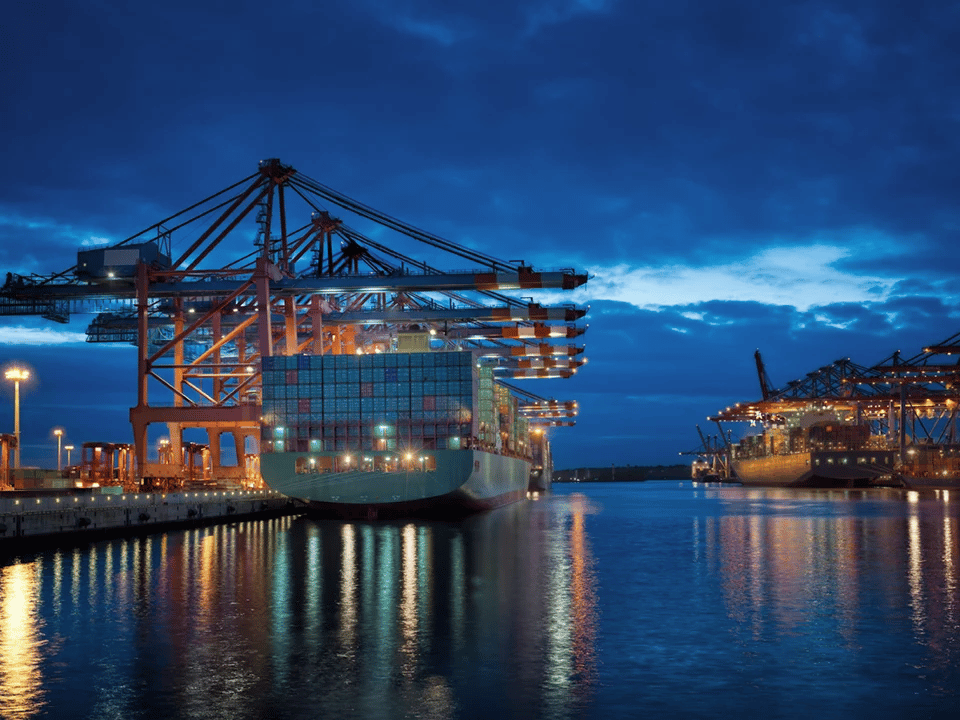
AI in the Modernization Process-1
Dachser_Champion_Story_4_960x720 (1)

Parallel Operation Instead of Risk

Another strength of this approach: DACHSER does not modernize with a “big bang.” The new system and the legacy system run in parallel, synchronized via a single-writer principle. In business-critical environments, what matters is enabling progress without jeopardizing operations.

Overall, DACHSER is establishing a modernization model: business domains can be gradually separated from the legacy context, architecture becomes visible in usable products, and AI can be integrated into robust process logic rather than built on top of unstable processes. The transformation establishes a modular, scalable landscape in which modernization will be gradually completed over the coming years and a large portion of new strategic features will become available.


A key building block on the path to becoming the most digitized logistics provider

Many companies today face the same question: How do we integrate AI into our existing processes? The better question is: Are our processes even ready for AI? DACHSER answers this question with a systematic modernization of its TMS for air and ocean freight. Not a 1:1 migration, but a strategic transformation while operations continue: a clear master plan, functionally tailored self-contained systems, portfolio management in 3-month cycles, and the firm conviction: AI with business logic.

Because only when processes are explicit, data is integrated, and decisions can be systematically supported does AI become more than just an experiment. Then it becomes a lever for productivity and quality—a driver of growth. That’s exactly where Legacy Intelligence begins.

The real benefit goes beyond the technical approach: IT transforms from a bottleneck into a lever for business change and becomes both the driver and the enabler of the company-wide ambition to become the world’s most digitized logistics provider by 2030.

Modernization as a catalyst for the future and AI. Contact us.

csm_teaser_locations_960x720_9d6e5eddb6

Our Customers' Success Stories