Biocentral is making complex AI models for biomedical research centrally accessible and easy to use for the first time – without the need for programming skills, but with maximum impact for science and education.
TECHNICAL UNIVERSITY OF MUNICH | AI FOR BIOMEDICAL RESEARCH
A platform to accelerate biomedical research
A milestone for open, AI-driven science
A key element of the implementation was the standardisation of the AI models: originally developed using PyTorch – a machine learning library that is labour-intensive to maintain in production environments – they were systematically migrated by the iteratec team to the open ONNX format. This not only ensures independence from proprietary frameworks, but also long-term maintainability and interoperability.
This step required extensive technical work – in some cases, PyTorch functionalities had to be reprogrammed to ensure ONNX compatibility. Together with the Technical University of Munich, our colleagues developed bespoke solutions. In addition to standardising the models, we took charge of the relevant aspects of the platform’s backend development. All models were embedded in accordance with the highest standards of scientific software, ensuring reproducibility, validation and transparency throughout.
Its release as an open-source platform on GitHub ensures that the global scientific community can benefit from the solution and continue to develop it. Biocentral is therefore not just a research project, but an invitation to collaboration and a catalyst for open science.
Using AI without coding: a real game-changer for laboratories
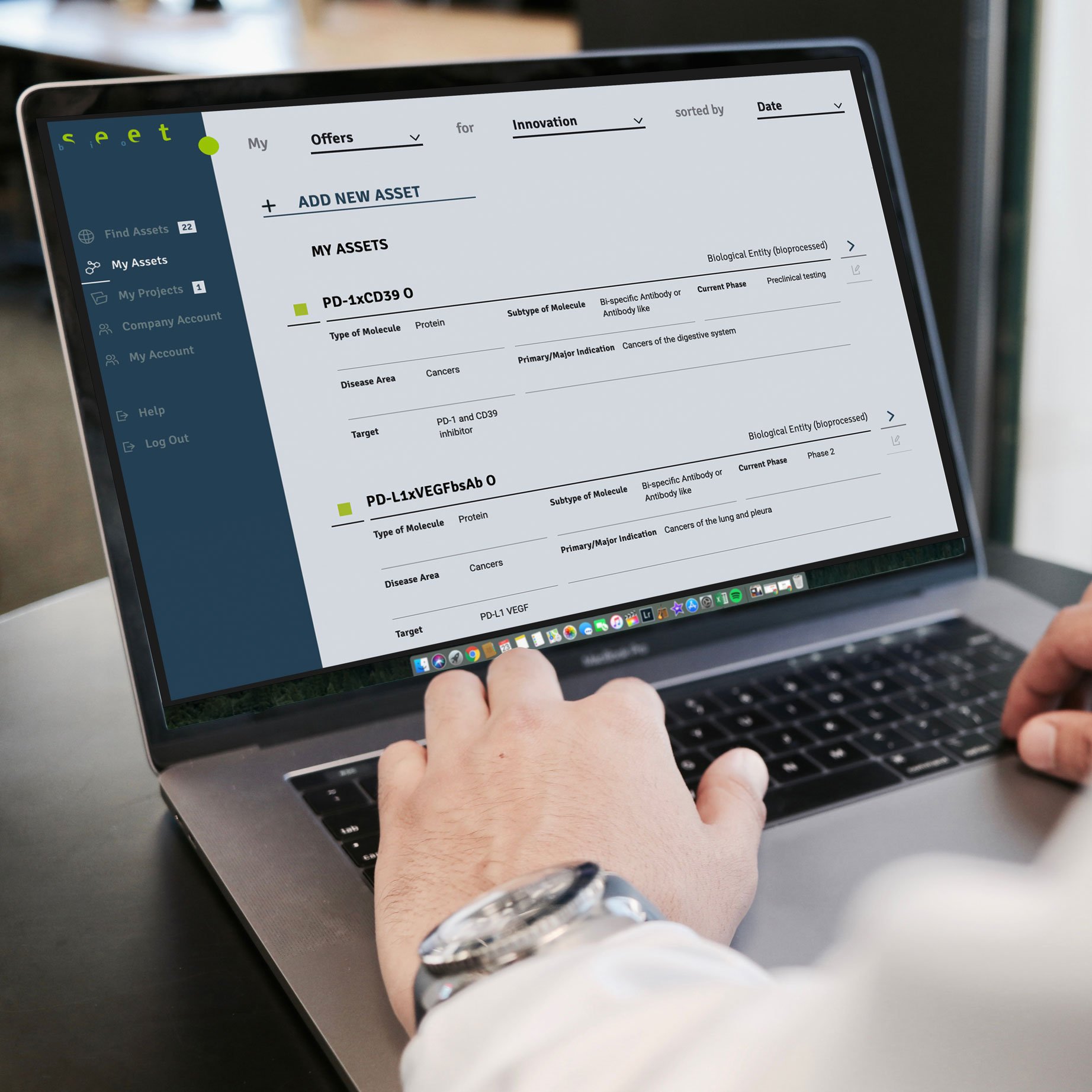
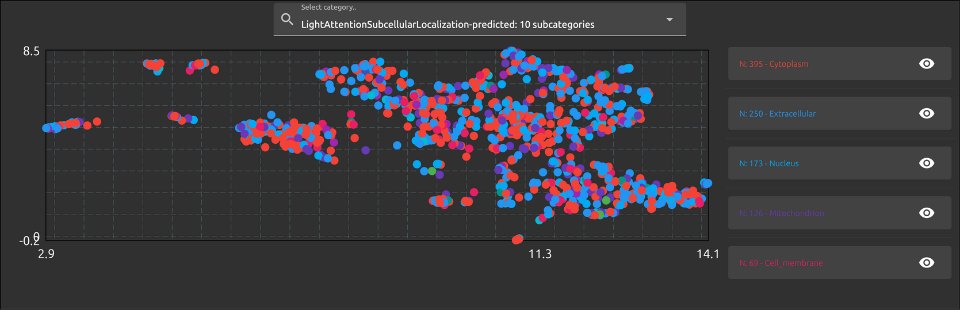
Biocentral provides researchers, for the first time, with a central platform where they can work with various AI models without having to familiarise themselves with how they work technically or operate them themselves. The platform abstracts technical complexity, thereby making the potential of modern AI truly accessible, even for smaller research units or university research groups.
Researchers can apply existing models directly, analyse data, validate hypotheses and generate new insights – more quickly, more reliably and in a standardised manner. This is of particular benefit to biochemical, pharmaceutical and medical research teams, which have previously been unable to use machine learning due to a lack of resources or expertise.

Biocentral is growing, and so are the opportunities
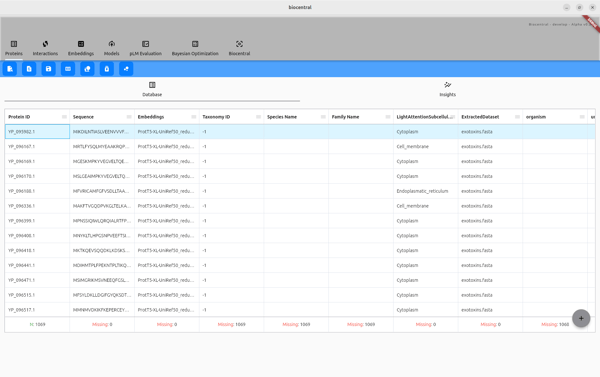
The development of Biocentral is still in its early stages: in future, the platform is set to be expanded to include further biological data sources and analytical functions. The long-term vision is a central, interdisciplinary working platform that not only accelerates scientific exchange but also supports the development of new active substances and the planning of preclinical studies.
When technology meets research, true innovation is born
Biocentral is a research tool that makes a real impact:
It brings together innovative biomedical AI systems on an open, maintainable and standardised platform. Nothing like this has existed before. The collaboration between our colleagues at iteratec and the experts at the Technical University of Munich demonstrates what is possible when technological expertise and scientific curiosity come together.
This form of AI-supported research provides a catalyst for the future of biomedical science.
Your contact

Do you have a specific request or questions about possible AI and data analytics projects for your company? Send a request and we will get back to you.
Dr. Felix Böhmer, Director Al & Data Analytics