Working with iteratec on this proof of concept was excellent. The team quickly got to grips with the subject matter and was able to provide valuable input in no time at all. The agile approach enabled us to achieve rapid results, which were continuously refined. We look forward to the next steps!
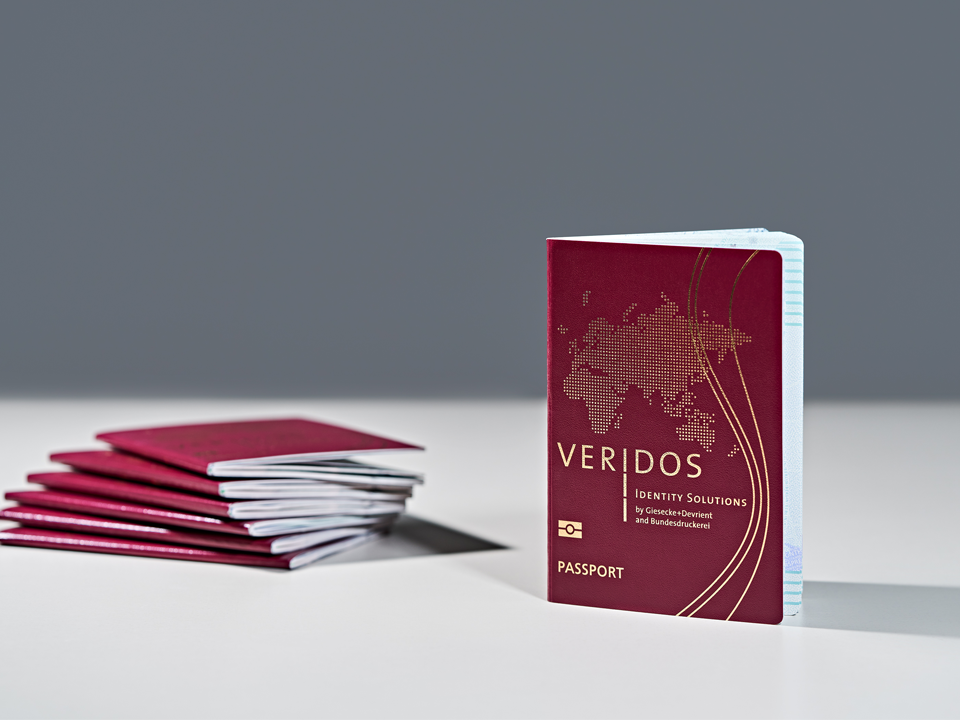
VERIDOS | FASTER NEW PASSPORTS THANKS TO MACHINE LEARNING
This is how passport applications can be validated automatically
Apply for a passport from home
In many countries, anyone wishing to apply for a passport must expect not only a processing time of several weeks, but also several visits to government offices. With Veridos’ identity solutions, this process can be reduced to a matter of days or even hours. A key component of this is the digital application process via an online platform: citizens submit their details and documents online, book an appointment and thus save valuable time.
The challenge is that the application data entered often differs from the existing records, meaning that staff at the relevant authorities have to manually correct the data, which is a labour-intensive process. This is where iteratec’s expertise in machine learning (ML) comes into play.
Greater transparency, less effort
Through the proof of concept, our team of software developers and machine learning specialists has demonstrated that the manual effort involved in validating application data can be significantly reduced. By using ML algorithms, the number of applications validated automatically can be significantly increased, thereby speeding up the passport application process.
Another key requirement of the project was the transparency of the decisions made by the ML model when verifying application data. These decisions are made transparent within the system and presented in a way that is comprehensible to staff.

Digital Champions – that’s why

The amount of manual work can be significantly reduced.

The processing time for passport applications can be reduced.

We support the digitalisation of public administration.